Caregiver wellness
Caregiver burnout builds quietly. Learn the signs family caregivers miss, why it accumulates, and what actually shifts the load.
Family coordination
Share caregiving responsibilities with siblings by naming the work, dividing it by capacity, and giving everyone the same picture of how your parent is doing.
Caregiver burnout recovery means changing the conditions behind it: carrying less, sharing what you see, and putting your own health back on the calendar.
Understanding care
An aging parent's good days and bad days add up to a pattern. Read the floor, the range, and which dimensions swing to see what's changing.
An aging in place home assessment checks the house for hazards. Learn to read it as a record of what your parent can still do, too.
Caregiving family conflict usually starts with unequal work and unequal information. See why siblings fight over a parent's care and what reduces it.
Find a caregiver support group online or in person, from AARP to the Alzheimer's Association, and learn what a group can and can't do for you.
Caregiver guilt comes from the gap between what you expect of yourself and what one person can do. See where it starts and how to work through it.
An aging parent daily living assessment covers more than bathing and pills. See the 15 dimensions Kintently tracks and how they become one InPlace Score.
Learn how to talk to aging parents about care before a crisis decides for you: what to say, when to raise it, and what to do with the answers.
Caregiver work life balance breaks on interruptions more than hours. See what the research says gives first, and how to keep both jobs standing.
The cost of caregiving lands in three ledgers: financial, physical, and emotional. See what the research says each one runs and how they compound.
Long distance caregiving runs on structure. Build a call cadence, a defined role, and a shared view of how your parent is doing week to week.
The caregiver
A caregiver self assessment checks your own sleep, energy, mood, and load each month. Learn six questions to ask and how to read the answers.
Caregiver burnout builds from too much to do, and compassion fatigue from witnessing suffering. Learn to tell them apart and what helps each.
Learn when to call the doctor about an aging parent, when to loop in your sibling, and when to keep watching the changes you notice.
Sibling caregiver communication stalls when it's impressions against impressions. Turn what you're noticing into dated observations your siblings can act on.
Use this aging parent safety checklist to walk the house room by room, spot small fall risks, and watch how your parent is moving over time.
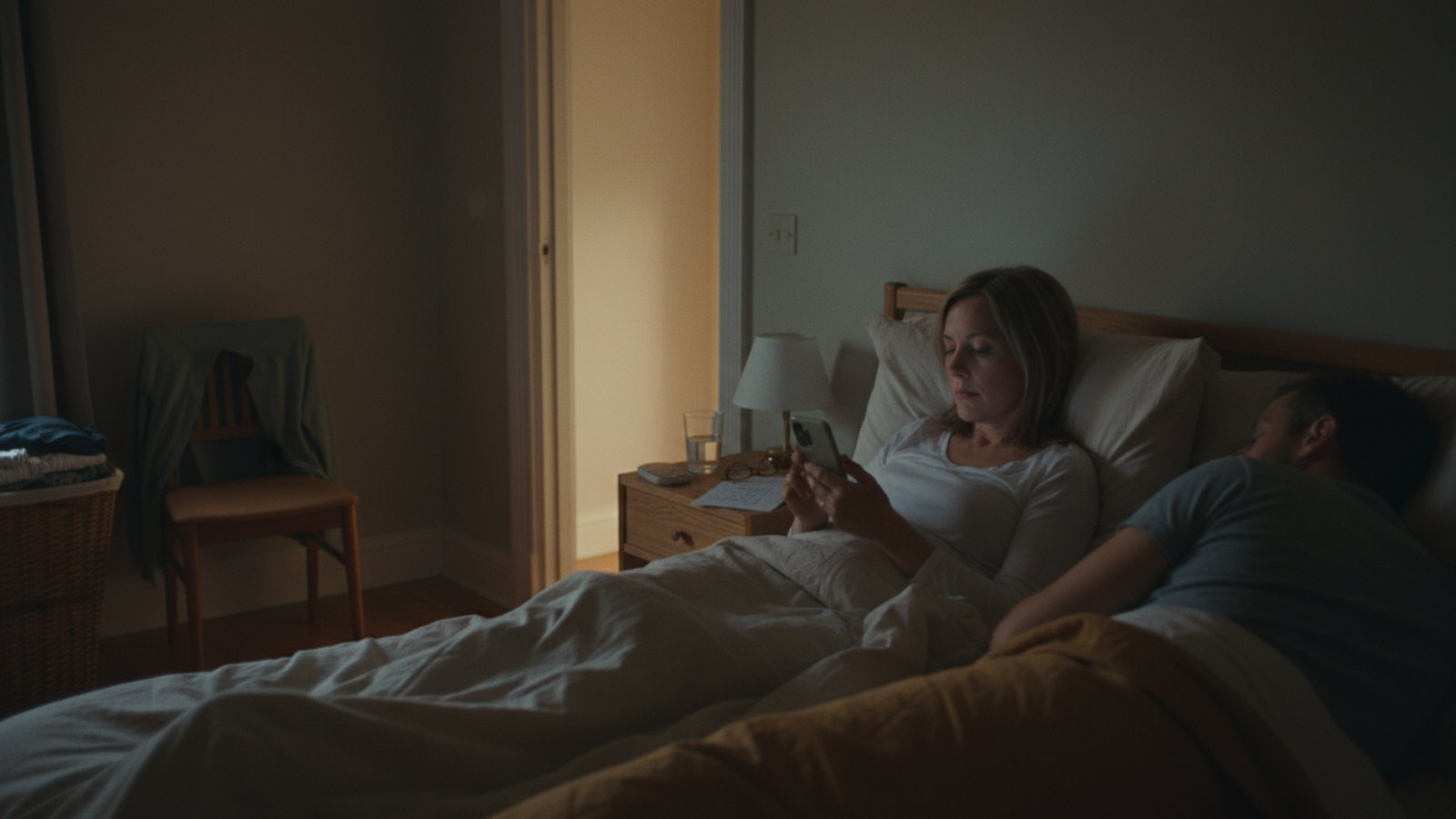
Caregiver burnout rarely comes up at your parent's appointments. Learn the quiet signs, from 3 a.m. checklists to good days that stop landing.
Signs an aging parent needs help are easy to miss when you see them every day. Learn what to watch for and how to tell a bad day from a trend.
A practical guide to telling routine aging apart from the patterns that warrant a closer look.
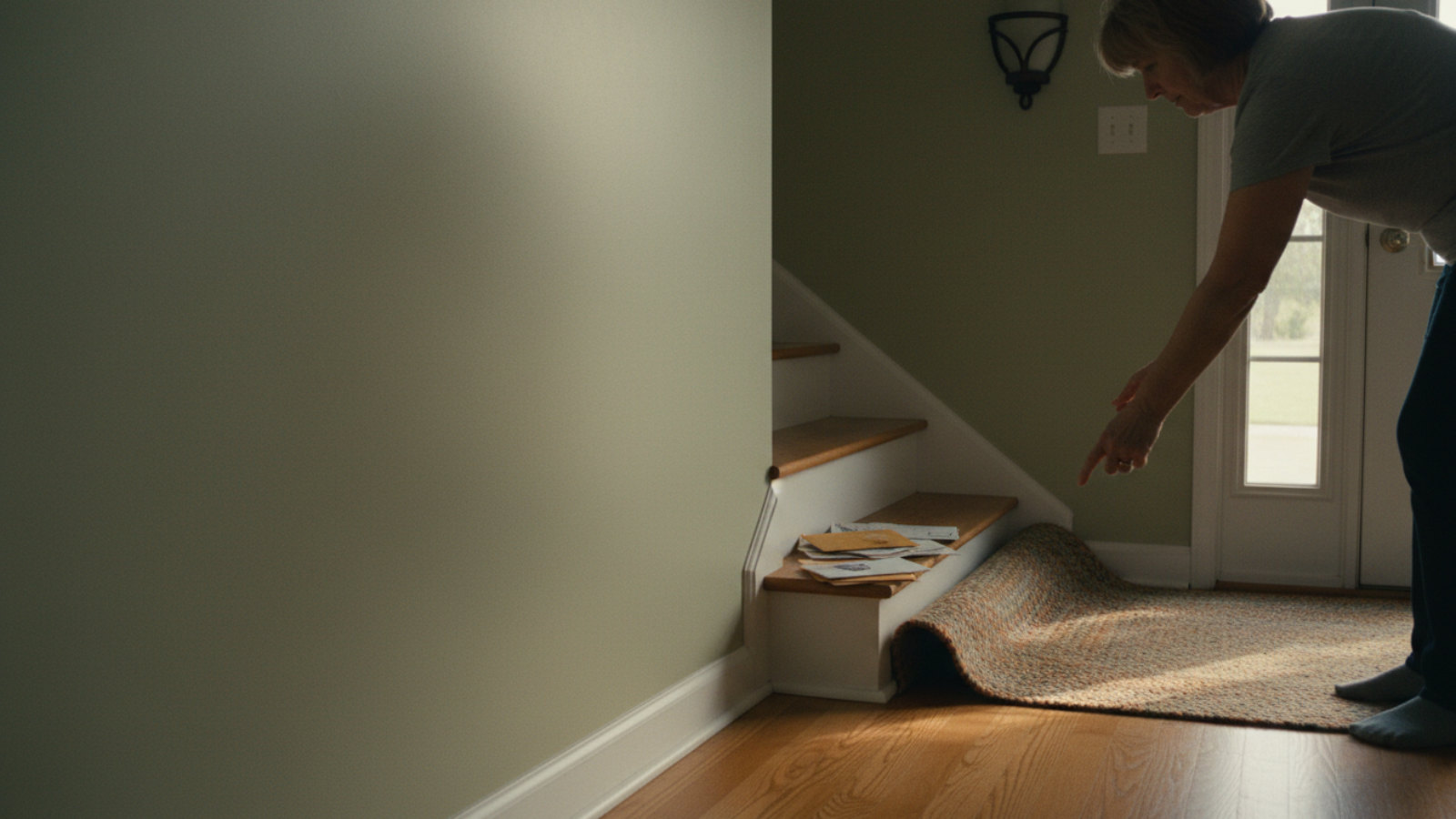
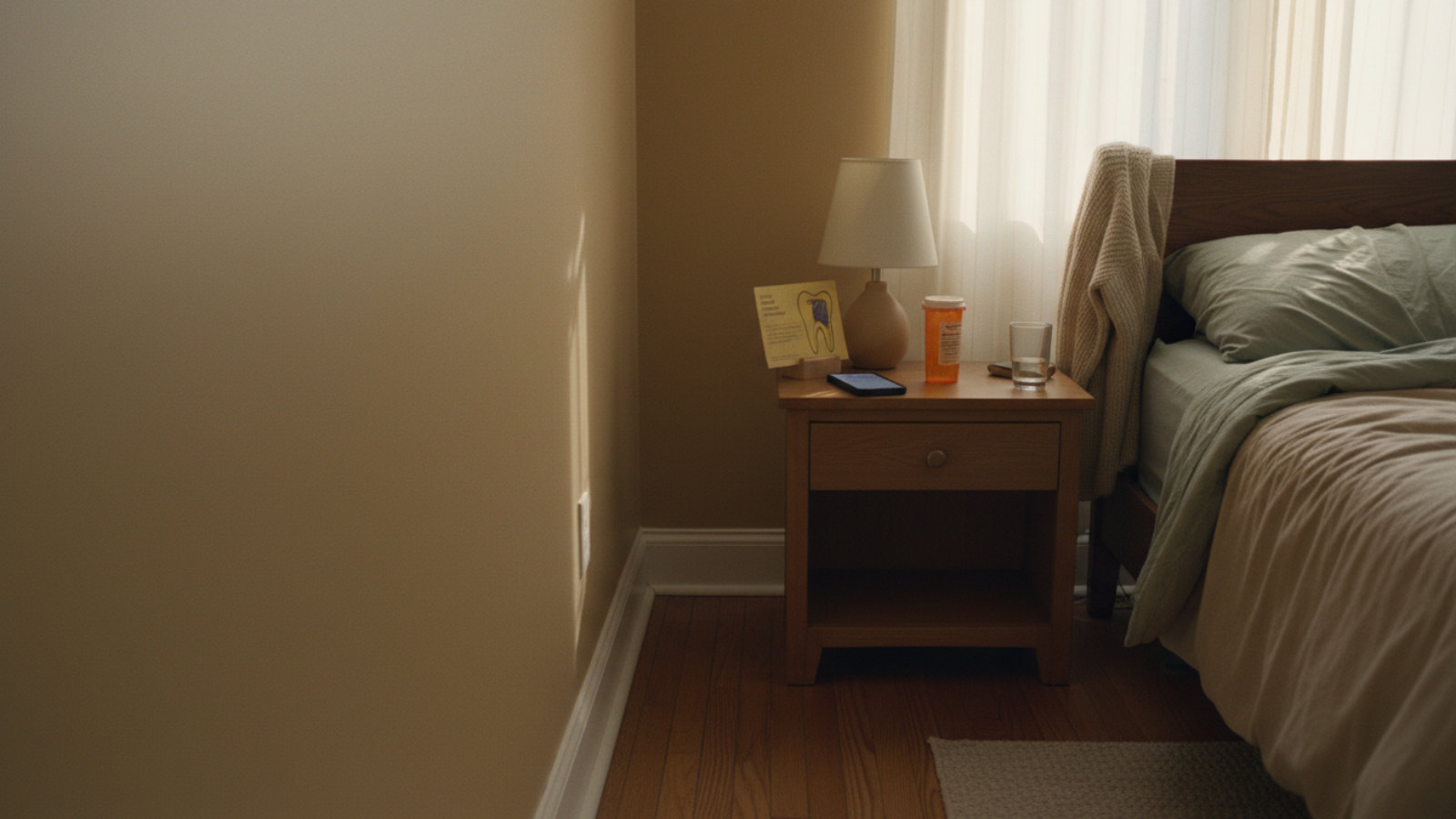
The domestic details that carry the most signal about how your parent is really doing.
How to tell isolated moments apart from the patterns that actually warrant a response.
Why your gut feeling is a real signal, and what it needs to become usable evidence.
Why more messages won't fix what your family is missing, and what shared visibility actually means.
Why clinical visits and family observation are complementary, and what only one of them can ever see.
Why coordination tools don't add up to understanding, and what families actually need instead.
Why pill tracking is the floor of observation, not the ceiling, and what it misses about daily life.
The 15 observable dimensions that turn vague worry into specific, trackable observation.
The cascade between the three dimensions that move the rest, and why watching them together changes what you see.
Why "the same as last month" is a real result, and how five status bands tell a more honest story than fine versus not fine.
Why the language of heroism quietly raises the cost of caregiving, and what changes when we drop it.
An honest accounting of what family caregiving actually costs in time, money, health, and career trajectory.
Family dynamics
Why Sunday phone calls and 'just ask' fail, and what distant siblings actually need to be helpful.
How a shared picture changes the family conversation from arguing about reality to deciding what to do next.